
The Thrill of Risk and Reward
One of the primary motivations behind gambling is the allure of risk and the potential for substantial rewards. This thrill-seeking behavior can be traced to the human inclination towards adrenaline and excitement. Many individuals find that placing a bet or spinning a roulette wheel provides a rush unlike any other activity, especially when they look for reliable nrl betting tips to enhance their chances. The uncertainty of the outcome ignites a sense of anticipation, making the experience exhilarating. Such feelings compel individuals to engage repeatedly, hoping to recreate that initial high.
Moreover, the psychology behind risk-taking is often associated with the brain’s reward system. When someone wins, their brain releases feel-good neurotransmitters such as dopamine, which reinforces the behavior. This physiological response can lead to a cycle of repeated gambling as players seek to experience those euphoric highs again. For some, each gamble becomes a stepping stone toward potentially life-changing fortune, driving them to return time and again.
Additionally, the glamour often associated with gambling can enhance its appeal. Media portrayals of large wins and lavish lifestyles can create unrealistic expectations about the successes that can be achieved through gambling. This narrative can entice people into believing that they, too, can achieve similar fortunes—fuelling their motivation to gamble. Each visit to a casino or online platform becomes an opportunity to chase this dream, merging fantasy with the potential for financial gain.
The Social Aspects of Gambling
Gambling often provides social interactions that are a significant motivator for many participants. Be it at a local betting shop or an online gaming platform, the communal experience of gambling can foster a sense of camaraderie among players. People bond over shared experiences, strategies, and discussions about games, creating a social environment that can be both entertaining and engaging. This social aspect is especially prominent in group betting scenarios or in games that require teamwork.
Furthermore, many individuals utilize gambling as a way to spend time with friends or family, turning what could be a solitary activity into a social event. Whether it’s poker night at home or a birthday celebration at a blackjack table, the social interactions can enhance the overall enjoyment of the experience. These gatherings can lead to memorable moments that extend beyond the game itself, forming friendships and connections that users cherish.

Casinos and betting establishments are often designed to facilitate social interaction, with open layouts and communal areas that encourage mingling. This setting can be particularly attractive to individuals seeking companionship or a break from everyday routines. The social benefits of gambling can often outweigh the potential negatives, making it a popular pastime for those looking to combine entertainment with socialization.
The Psychological Escape
For many, gambling serves as a form of escapism from everyday pressures. Life can sometimes become overwhelming, and gambling offers a distraction from these stresses. The focus required during games can provide a mental break, allowing players to momentarily forget their worries and immerse themselves in the gaming experience. This psychological escape can be a powerful motivator, driving individuals to seek solace in betting environments.
Moreover, gambling can create an alternate reality where individuals feel a sense of control over outcomes. This perceived control can be particularly appealing during times of stress, as players may believe they can influence the course of their fortunes. Such beliefs can provide a comforting illusion, encouraging repeated engagement as individuals seek to harness that sense of power. In this way, gambling becomes a means of coping with life’s uncertainties.
The allure of a different world within gambling extends to the variety of games and experiences offered. From the flashing lights and sounds of a casino to the engaging narratives of online slot games, these environments are designed to captivate and transport players to a realm of exhilaration and fantasy. This immersive experience can be a strong draw for individuals looking to escape their routines, making gambling an appealing option for those seeking distraction.
The Influence of Marketing and Advertising
The gambling industry employs a plethora of marketing techniques to attract new players and keep existing ones engaged. These strategies often emphasize the excitement, glamour, and potential financial gains associated with gambling. Promotions like bonuses, free spins, and loyalty programs can create a compelling case for players to try their luck, further driving their motivations. The constant availability of offers can reinforce the idea that an exciting opportunity is always just around the corner.
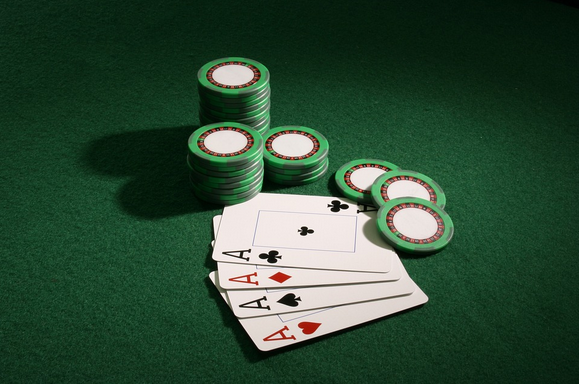
Advertising often targets various demographics, aiming to appeal to a wide range of potential gamblers. Campaigns may showcase testimonials from winners, emphasizing stories of life-changing jackpots that resonate with aspiring players. This portrayal of gambling as a pathway to achieving dreams can effectively encourage individuals to participate, as they envision themselves winning big. The clever use of imagery and narratives in advertisements can frame gambling as an attractive leisure activity.
In addition, the rise of online gambling has intensified the competition among platforms, leading to even more aggressive marketing strategies. Websites are designed to engage users, and personalization features can create tailored experiences that resonate with individual preferences. This targeted approach deepens the player’s sense of connection to the platform and can keep them returning for more thrilling experiences, enhancing their gambling journey.
In Conclusion: Finding Balance with Gambling
Understanding the motivations behind gambling is crucial for fostering a healthy relationship with this pastime. While the thrill, social aspects, psychological escape, and marketing efforts play significant roles in driving participation, it is important for individuals to recognize the potential risks associated with gambling. Establishing a balance between enjoyment and responsibility is key to ensuring that gambling remains a source of entertainment rather than a source of distress.
Education on responsible gambling practices is essential in mitigating negative outcomes. Resources that promote awareness about gambling addictions and support systems can significantly assist individuals in navigating their gambling experiences. By prioritizing responsible behavior, individuals can enjoy the excitement of gambling while minimizing adverse effects, allowing them to savor the thrill without jeopardizing their well-being.
As we delve into the complexities of gambling, it becomes clear that motivations vary greatly among individuals. Whether seeking excitement, social interaction, or an escape from reality, understanding these motivations is key to creating a balanced approach. With the right knowledge and attitude, gambling can be a fun and engaging activity when enjoyed responsibly, allowing individuals to appreciate the experience while maintaining control over their choices.
Recent Comments